
When buying a property in England and Wales, understanding whether you’re purchasing a leasehold or freehold is crucial. Yet many first-time buyers find themselves confused by the terminology. At Wishtower, we manage both leasehold and freehold properties across Eastbourne, Brighton, and Croydon, and we’re here to clear up the confusion, so here is leasehold vs freehold explained in as simple terms as possible

What Is Freehold?
Freehold is the simplest form of property ownership. When you own the freehold, you own both the property and the land it sits on outright. There’s no time limit on your ownership – it’s yours until you decide to sell it.
Key benefits of freehold ownership:
- Complete control over the property
- No ground rent or service charges
- Freedom to make alterations (subject to planning permission)
- No lease to extend or renew
- Generally easier to sell
Most houses in the UK are sold as freehold, giving owners maximum autonomy over their property.
What Is Leasehold?
Leasehold means you own the property for a fixed period – anything from 99 to 999 years, but not the land it sits on. The freeholder (or landlord) retains ownership of the land, and you essentially have a long-term tenancy agreement.
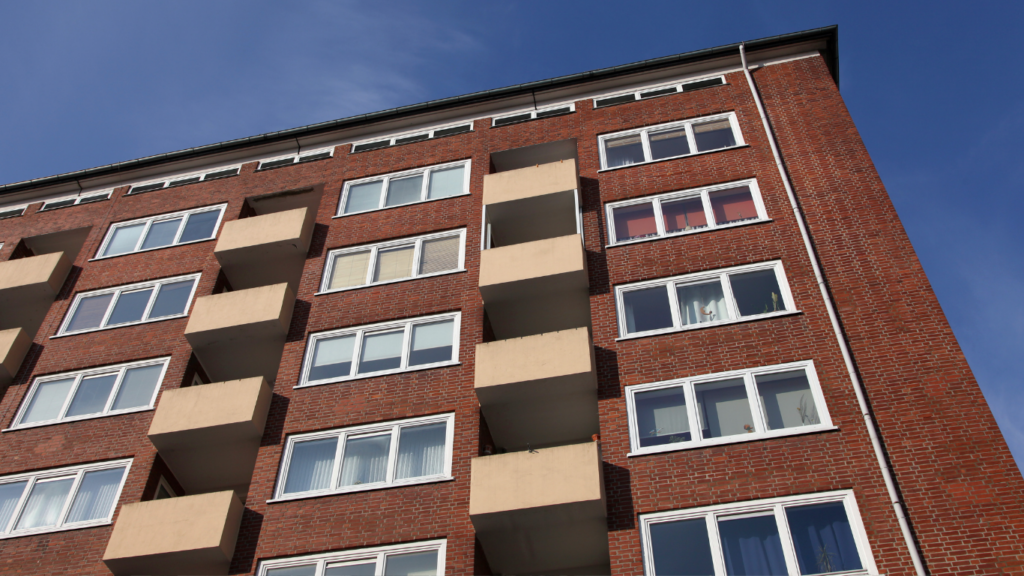
Most flats are leasehold because the building is divided into separate units, making it impractical for each owner to own their section of land. At Wishtower, we manage numerous leasehold blocks where multiple owners share the same building.
The Key Differences
Ownership Duration
The fundamental difference is permanence. Freehold is forever; leasehold is temporary. Even a 999-year lease has an end date, though it may seem distant.
Costs and Charges
Freehold: You’re responsible for all maintenance costs, but you control when and how money is spent.
Leasehold: You’ll typically pay ground rent (usually £50-£500 annually) and service charges covering communal area maintenance, insurance, and building repairs. These charges can be substantial, and in our experience managing residential blocks, transparency around service charges is vital to maintaining good leaseholder relationships.
Maintenance Responsibilities
As a freeholder, you handle everything yourself – from fixing the roof to maintaining the garden. As a leaseholder, the freeholder or their block management company (like us) arranges maintenance for communal areas, though you’re responsible for your individual flat’s interior.
Making Changes
Freeholders can generally extend or alter their property subject to planning permission. Leaseholders need the freeholder’s consent for significant alterations, which isn’t always straightforward.
The Leasehold Trap: Declining Lease Length
Here’s what many buyers overlook: as your lease shortens, your property loses value. Once a lease drops below 80 years, extending it becomes considerably more expensive due to something called “marriage value.”
Properties with leases under 70 years can become difficult to sell, as mortgage lenders become increasingly reluctant to lend. We’ve seen leaseholders in Croydon, Brighton and Eastbourne all face this challenge, and it’s why we always advise keeping an eye on remaining lease length.
Recent Leasehold Reforms
The government has introduced significant leasehold reforms to address unfair practices. Changes include capping ground rent for new leases at £10 per year and making it easier and cheaper to extend leases or buy freeholds.
These reforms demonstrate the recognition that the leasehold system has caused genuine problems for property owners. At Wishtower, we welcome changes that bring fairness and transparency to property management.
Which Should You Choose?
For houses, freehold is almost always preferable if available. For flats, leasehold is typically unavoidable, but that doesn’t mean it’s problematic. With proper management and a reasonable lease length (90+ years), leasehold flats can be excellent investments.
Before buying leasehold, always check:
- Remaining lease length
- Annual ground rent and service charges
- The freeholder’s responsibilities
- Whether the management company is reputable
- What’s included in service charges
The Importance of Good Management
The difference between a problematic leasehold and a well-run one often comes down to management. Poor management leads to unexpected charges, maintenance delays, and disputes. Quality management, the kind we pride ourselves on at Wishtower, means transparent accounting, prompt maintenance, clear communication, and treating every property as if it were our own.
We’ve taken over management of numerous blocks in Croydon, Eastbourne, and Brighton where previous agents left leaseholders frustrated and confused. Our approach focuses on that crucial 20%; accountability, integrity, and building relationships, that transforms property management from a necessary cost into genuine value.
Need Help Understanding Your Property?
Whether you’re buying your first leasehold flat, concerned about your service charges, or wondering if your block management company is delivering value, we’re here to help with information on leasehold vs freehold explained.
At Wishtower, we specialise in residential block and estate management across Eastbourne, Brighton, and Croydon. Our experienced team brings professionalism, transparency, and that extra 20% that makes all the difference.
If you’re a leaseholder with questions about your property, or a freeholder looking for a management company you can trust, let’s talk. We’re passionate about making property management straightforward, stress-free, and dare we say it – even pleasant.
Contact us today on 01323 312121 (Eastbourne), 01273 658030 (Brighton), or 0203 150 2050 (Croydon), or email info@wishtower.com. We’re here Monday to Friday, 9am-5pm, and we always try to return your call before we go home at night, because that’s the Wishtower way.


